
🐾 Introduction
Understanding how a Labrador Retriever puppy grows helps you raise a healthier, calmer, and better-behaved dog. Each stage of development comes with changes in behavior, energy, and training needs.
In this guide, you’ll learn the full growth timeline from newborn puppy to adult Labrador.
🐶 1. Newborn Stage (0–2 Weeks)


Read Our Article
Best Feeding Routine for a Healthy Labrador Puppy🧠 What happens:
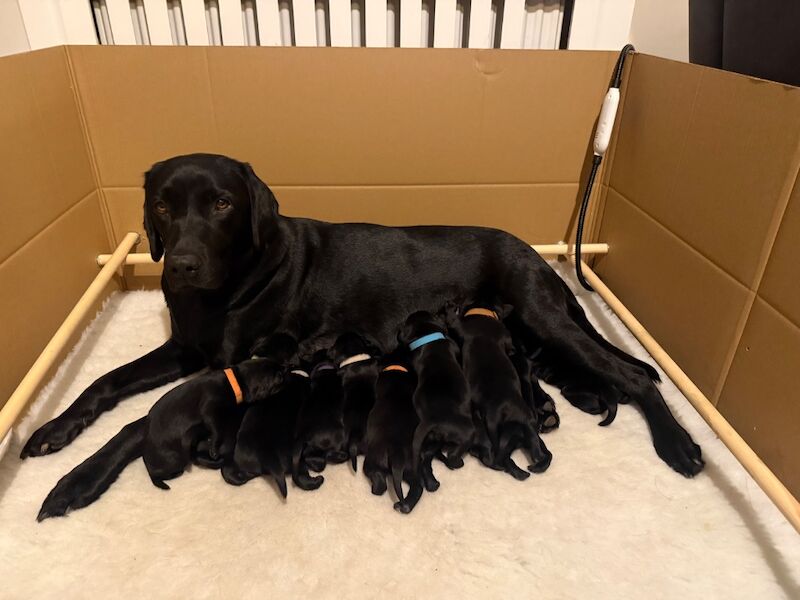
- Eyes and ears closed
- Fully dependent on mother
- Sleeps 90% of the time
- Only feeds and sleeps
👉 At this stage, they cannot survive without care.
🐕 2. Transitional Stage (2–4 Weeks)
🧠 What happens:
- Eyes and ears open
- First steps begin
- Early social interaction with littermates
- Light curiosity develops
👉 Puppies begin discovering the world.
🐕🦺 3. Socialization Stage (3–12 Weeks)
🧠 What happens:
- Most important learning stage
- Learns social behavior
- Starts bonding with humans
- Basic training begins
✔️ Key learning:
- Potty training
- Name recognition
- Basic commands (sit, come)
👉 This stage shapes future behavior.
Labrador Puppies For Sale
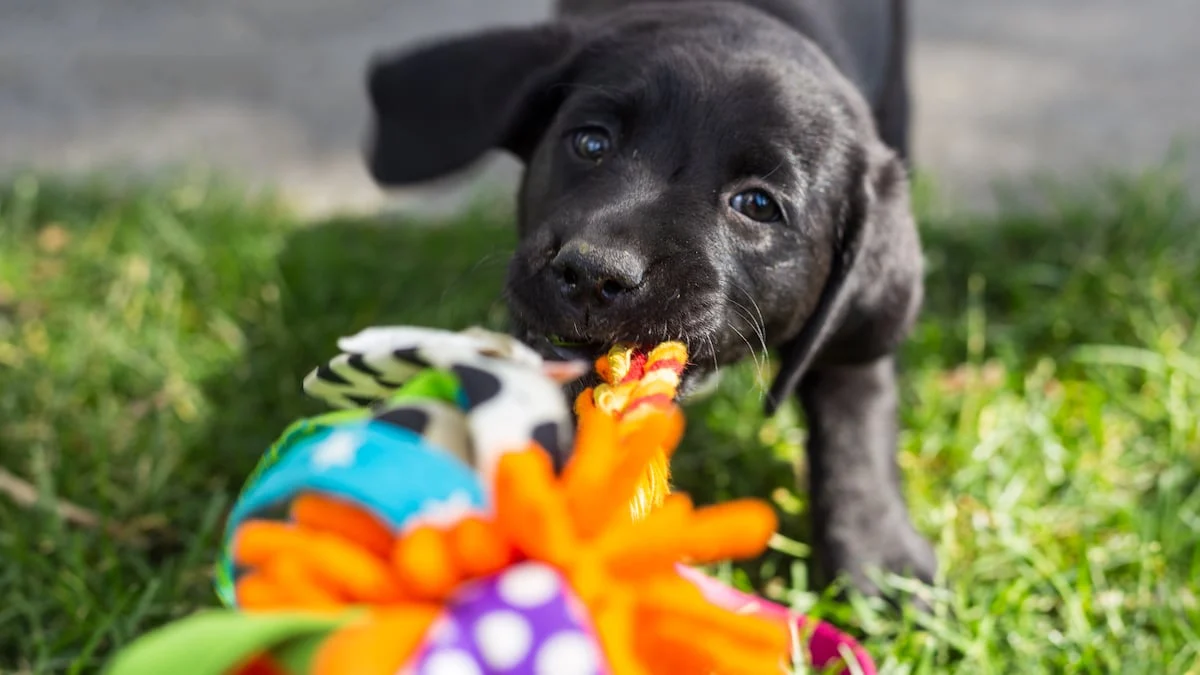
Purebred Labrador Puppies🐕 4. Juvenile Stage (3–6 Months)
🧠 What happens:
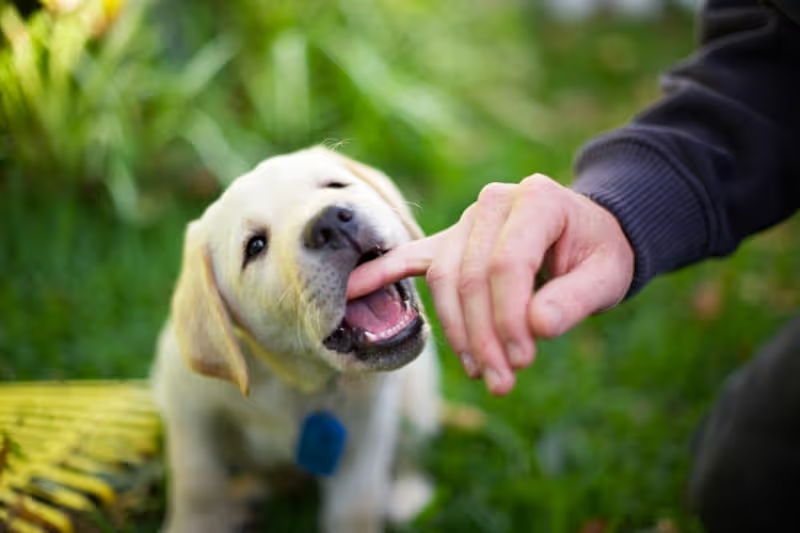
- Teething begins
- Very energetic and playful
- Testing boundaries
- Rapid growth
✔️ Needs:
- Chew toys
- Consistent training
- Daily exercise
👉 This is the “hyper puppy” phase.
🐕 5. Adolescence Stage (6–18 Months)
🧠 What happens:
- Almost adult size
- Can become stubborn
- High energy still present
- Testing rules again
✔️ Needs:
- Strong training reinforcement
- More structured exercise
- Patience from owner
👉 Many owners think training is “lost”—it’s not.
🐕🦺 6. Adult Stage (18–36 Months)
🧠 What happens:
- Fully grown physically
- Mentally calmer
- Better obedience
- Stable behavior
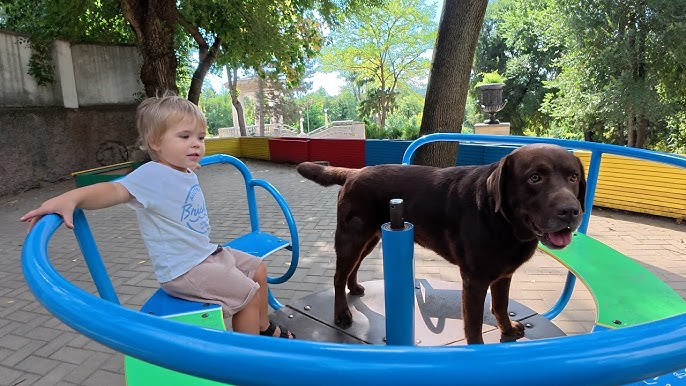
👉 This is when your Labrador Retriever becomes a balanced family companion.
Read Our Article
First Week With Your Labrador Retriever Puppy (Step-by-Step Guide)🧘 7. Senior Stage (7+ Years)
🧠 What happens:
- Slower energy
- More rest needed
- May develop joint issues
- Very calm and loyal
👉 Requires extra care and vet checkups.
⚠️ Important Growth Tips
❌ Mistakes to avoid:
- Overfeeding during growth
- Skipping training in puppy stage
- Not socializing early
- Ignoring exercise needs
✔️ Best practices:
- Consistent routine
- Age-appropriate exercise
- Positive reinforcement training
- Regular vet visits
❤️ Final Thoughts
A Labrador Retriever goes through several important stages before becoming a calm adult dog. Each stage requires patience, training, and proper care.
👉 Understanding these stages helps you raise a well-behaved, healthy, and happy companion.